


LED dog collars have gained popularity for their ability to enhance safety and style during nighttime walks and outdoor activities. However, as a pet owner, it’s crucial to understand both the benefits and potential risks associated with these devices. This article delves into the safety aspects of LED dog collars, examining their features, certifications, risks, and best practices to help you make an informed decision.
Benefits: Enhancing Safety and Visibility
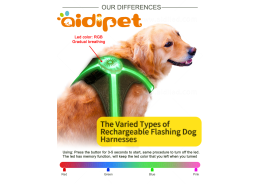
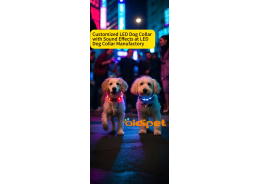
1. Improved Nighttime Visibility: LED collars emit bright light, significantly reducing the risk of pets being hit by vehicles or lost in dark environments. Advanced models use high-intensity LEDs with a widelight-emitting area , visible up to 300 meters, ensuring pets remain visible even at a distance.
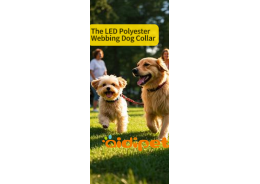
2. Safety Features: Many LED collars are designed with soft, durable materials (e.g., nylon or flexible plastics) and adjustable sizes to prevent choking or discomfort. Some include reflective strips or multiple light modes (fast flash, slow flash, constant glow) for customizable visibility.
3. Tech Advancements: Smart LED collars often integrate GPS tracking or rechargeable batteries, eliminating the need for frequent battery replacements and offering long-lasting illumination.
Potential Risks and Considerations
1. Physical Hazards:
○ Entanglement Risk: Any collar, including LED
○ models, can pose a danger if caught on objects (e.g., fences, trees). Choose collars with breakaway designs or quick-release mechanisms to prevent strangulation.
○ Material Allergies: Some pets may react to materials like nylon or plastics, causing skin irritation. Opt for hypoallergenic options or test the collar before extended use.
2. Behavioral Impact:
○ Stress and Anxiety: Constant light or vibration (in some models) may stress sensitive pets. Monitor your dog’s behavior and remove the collar if signs of distress occur (e.g., excessive licking, agitation).
3. Radiation and Electromagnetic Concerns:
○ While LED collars emit minimal radiation (similar to household electronics), ensure products are certified to meet safety standards (e.g., FCC, CE) to avoid prolonged exposure risks.
Safety Certifications and Standards Reputable LED collar manufacturers adhere to stringent safety regulations:
● CE Certification (EU): Compliance with General Product Safety Directive (GPSD) and REACH (chemical safety), ensuring materials are free from harmful substances like heavy metals or phthalates.
● FCC Certification (US):Verify wireless models meet electromagnetic compatibility and radio frequency standards.
● EN 71-3 Testing: Measures heavy metal migration to protect against toxicity. These certifications guarantee that the collar’s materials, electronics, and design meet global safety benchmarks.
How to choose a safe LED collar
1. Check Certifications: Prioritize products with CE, FCC, or UKCA marks—these indicate rigorous testing.
2. Material Quality: Select soft, non-toxic materials (e.g., nylon with anti-static coating, eco-friendly plastics).
3. Fit and Design: Ensure the collar is snug but allows two fingers under the strap. Avoid bulky designs that hinder movement.
4. Battery Safety: For rechargeable models, confirm overcharge protection and use only approved chargers.
5. Monitoring: Introduce the collar gradually, supervise your pet during initial use, and remove it during sleep or prolonged indoor stays.
Conclusion LED dog collars can significantly enhance safety when used responsibly. While risks like entanglement and stress exist, these can be mitigated through careful selection, proper fitting, and mindful usage. Opt for certified products, prioritize pet comfort, and balance style with safety. Ultimately, the key to a secure LED collar experience lies in understanding your pet’s needs and choosing a device that aligns with their well-being.
By weighing the benefits against potential risks and following best practices, you can harness LED technology to keep your furry companion both visible and protected.


 English
 German
 French
 Russian
 Spanish
 Japanese
 Korean
 Khmer
Khmer Portuguese
 Ukrainian
 Arabic
 Italian
 Afrikaans
 Albanian
 Armenian
 Azerbaijani
 Basque
 Belarusian
 Bulgarian
 Catalan
 Croatian
 Czech
Czech Danish
 Dutch
Dutch Estonian
 Filipino
 Finnish
 Galician
 Georgian
 Greek
Greek Haitian Creole
 Hebrew
 Hindi
Hindi Hungarian
 Icelandic
 Indonesian
 Irish
Irish Latvian
 Lithuanian
 Macedonian
 Malay
Malay Maltese
 Norwegian
 Persian
 Polish
 Romanian
 Serbian
 Slovak
 Slovenian
 Swahili
 Swedish
 Thai
Thai Turkish
 Urdu
Urdu Vietnamese
 Welsh
Welsh Yiddish
